TMJ disorders are caused by several factors, including but not limited to disc erosion, joint cartilage damage, and joint misalignment. Symptoms include pain or tenderness in the jaw, face, head, neck, or shoulders; aching pain or ringing in the ears; difficulty chewing or opening and closing the jaws; clicking jaw joints; and jaw locking. TMJ disorders have even been linked to fibromyalgia pain and tingling in the fingers and toes. Known as the great imposter, TMJ pain can radiate, deferring to various parts of the body. The most important consideration of TMJ disorders are their effects on the central nervous system through the Trigeminal Nervous System. The Trigeminal Nerves are responsible for all headaches, vascular, neurogenic and muscular including tension headaches and migraines.
Dr. Ira L Shapira only accepts new TMJ, DNA and mRNA cases at his office in Highland Park.
Please contact Dr Shapira at https://www.thinkbetterlife.com.
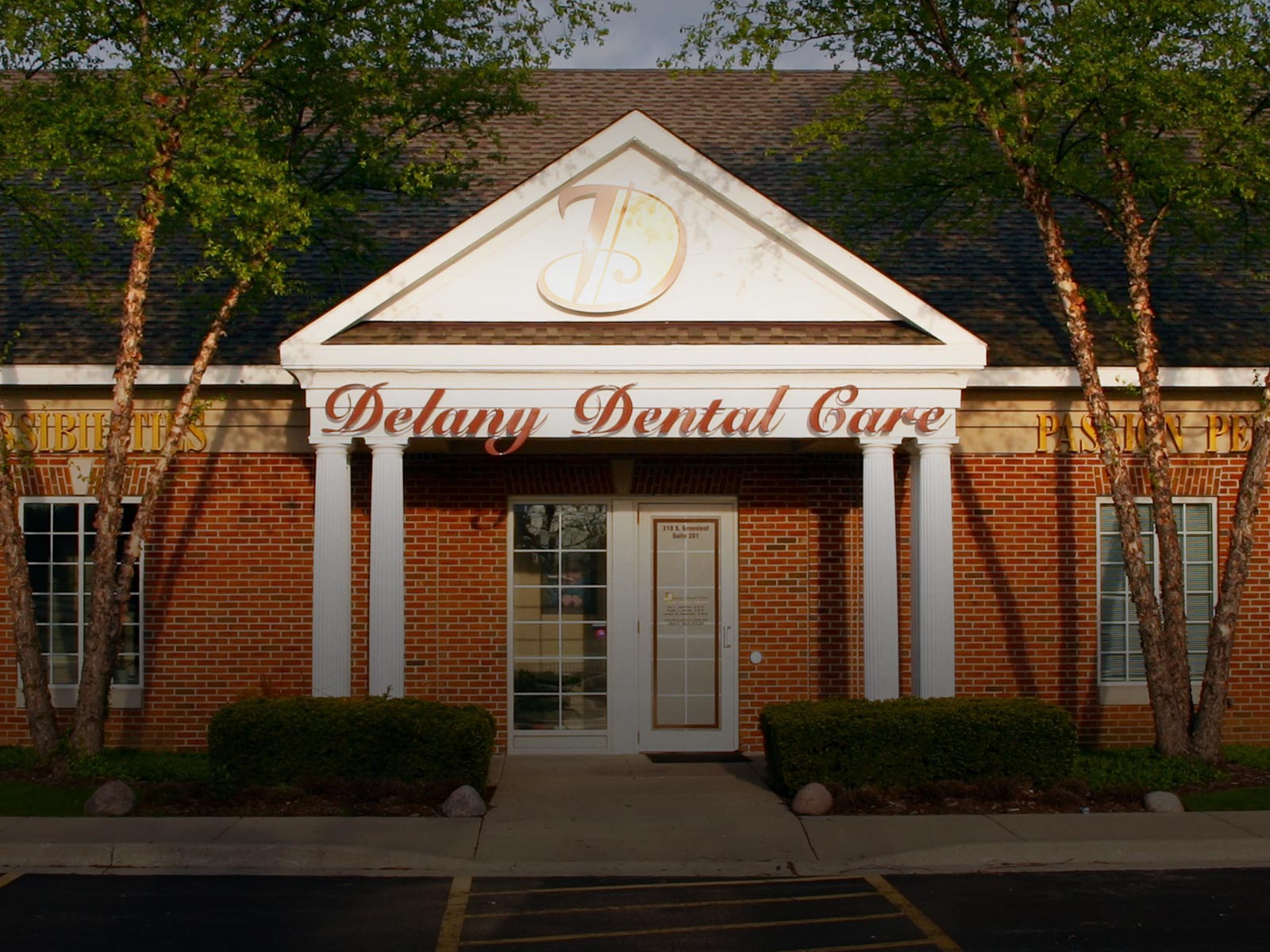
Dr Shapira founded Delany Dental Care in 1984 and treasures the patients and friends he has seen over the decades. He available for general and cosmetic dental patients on Tuesdays and Wednesdays at our dental office in Gurnee, IL.
Dr. Shapira will continue to treat sleep apnea and snoring with oral appliances at both offices.
 To treat TMJ disorders, we must map the trigger points for pain, and the underlying causes must be established. Once we locate the origin of the pain, we can treat the problem. Trigger point injections are a treatment option, as are SPG blocks, autonomic blocks, and neuromuscular diagnostic orthotics. Treatment is always separated into two phases. The first involves eliminating headaches, muscle pains and other symptoms. The second involves achieving long-term stabilization. The rule is to first correct the pain before performing irreversible treatments.
 Choosing a TMJ disorder doctor can be overwhelming, because of the various methods of treatment and differing professional opinions on what makes someone qualified to provide treatment. Our doctors have extensive training and experience in diagnosing and treating TMJ disorder using non-surgical methods. We will work with you to determine the root cause of your symptoms, then develop a treatment plan to give you lasting relief.
 Do you have questions about TMJ disorder and which treatment options may be right for you? Our team is ready with the knowledge and insight to educate you about this painful jaw disorder. How is TMJ disorder diagnosed? Will you need surgery? The good news is almost no one requires surgical treatment of the TM Joints. Contact us for answers to the most common questions about temporomandibular joint disorders, and schedule a consultation to discuss your questions in further detail.
 Myofascial pain and dysfunction syndrome is a chronic pain disorder characterized by pressure to sensitive points in your muscles. It is present in almost 100% of TMJ patients, and is caused by excessive muscle adaptation over time. It can result from repeated contractions of jaw muscles, and may be caused by muscle tension brought on by stress. Trigger points (origins of pain) may lie deep within the muscle tissue, and are somewhat rhythmic or steady in nature. If you suffer from myofascial pain and dysfunction syndrome, we can help.
 Fibromyalgia refers to extensive musculoskeletal pain. It can be accompanied by shifts in mood, issues with memory and sleeping, and amplified pain response in the nervous system. It affects muscles and other soft tissues, and often involves chronic muscle pain, sleeping problems, and fatigue. In some cases, fibromyalgia pain and symptoms can be relieved by manipulating the alignment of the jaw, which helps to correct bone and skull structure alignment.
 All migraines are modulated by the Trigeminal Nerve. Migraines are long-lasting headaches characterized by throbbing or pulsing in certain areas of the head. Migraines may be accompanied by vomiting or abnormal sensitivity to light and sound, and they may be preceded by strange tingling in the arms or legs. Neuromuscular dentistry can alleviate symptoms of migraines if the cause stems from TMJ misalignment. A complex network of nerves surround the jaw joints and may be the point of origin for some migraines and chronic headaches.
 Tension headaches are often related to TMJ disorder, and may be characterized by dull aching pain, sore facial muscles, and tightness along the forehead. If improper jaw alignment is causing tension headaches, pain can be alleviated by undergoing non-surgical TMJ treatment. The nerves and muscles surrounding the TMJs can become overworked if jaw joints are not in proper position. As a result, tension headaches can come on suddenly and last for many hours.
 Back pain is common, and it can be debilitating when extreme. Neuromuscular dentistry can improve both head and neck posture. Although neuromuscular dentistry may not resolve all back pain, realignment of the jaw can create a holistic symmetry throughout the body to reduce or alleviate back pain. When you visit us, the doctor will talk with you about your pain, determine whether TMJ disorder may be a factor, and recommend possible treatment.
 Pain and stiffness in the neck can limit your range of motion and mobility. In some cases, TMJ disorder pain presents as neck pain. During your appointment, we will evaluate your symptoms and TMJ joints, occlusion, and neck. If our evaluation indicates that TMJ disorder could be the cause of your discomfort, our neuromuscular treatment can alleviate neck pain and stiffness.
 Shoulder pain can be caused by a variety of factors. In some cases, it is caused by jaw misalignment that can be corrected with neuromuscular dentistry treatment. When the temporomandibular joints are not in their proper positions, pain can radiate or affect surrounding areas. If we find that TMJ misalignment is an issue in your case, neuromuscular dentistry techniques can relieve shoulder and upper back pain.
 The DNA Appliance® focuses on epigenetic orthodontics, which trigger genes that control tooth position, correcting and optimizing the relationship between the teeth, jaws, temporomandibular joints, and face. This appliance can correct occlusion and airway obstructions.
 Sphenopalatine ganglion blocks, or SPG blocks, can dramatically reduce head and facial pain. SPG refers to a bundle of nerve cells located behind the nose. During treatment, a local anesthetic is used to numb the area. Although the technique was documented in the early 1900s, it has recently re-emerged as a minimally invasive treatment option with far-reaching effects. Patients suffering from headaches, TMJ disorder, and even migraines have found relief with SPG blocks.
Delany Dental Care has been providing the residents of Gurnee, IL and all surrounding areas within Lake County, IL and beyond with cosmetic and restorative dental treatments since 1984. When you choose Delany Dental Care, you're choosing a practice that is affiliated with many prestigious organizations, including:
If you and your loved ones need high-quality dental care, we invite you to fill out our contact form or call us at (847) 623-5530.
310 S Greenleaf St
Ste 201
Gurnee,
IL 60031
Closed Today
Friday Hours are for Administration Only
310 S Greenleaf St
Ste 201
Gurnee,
IL 60031
Closed Today
Friday Hours are for Administration Only